
what is laminated glass made of
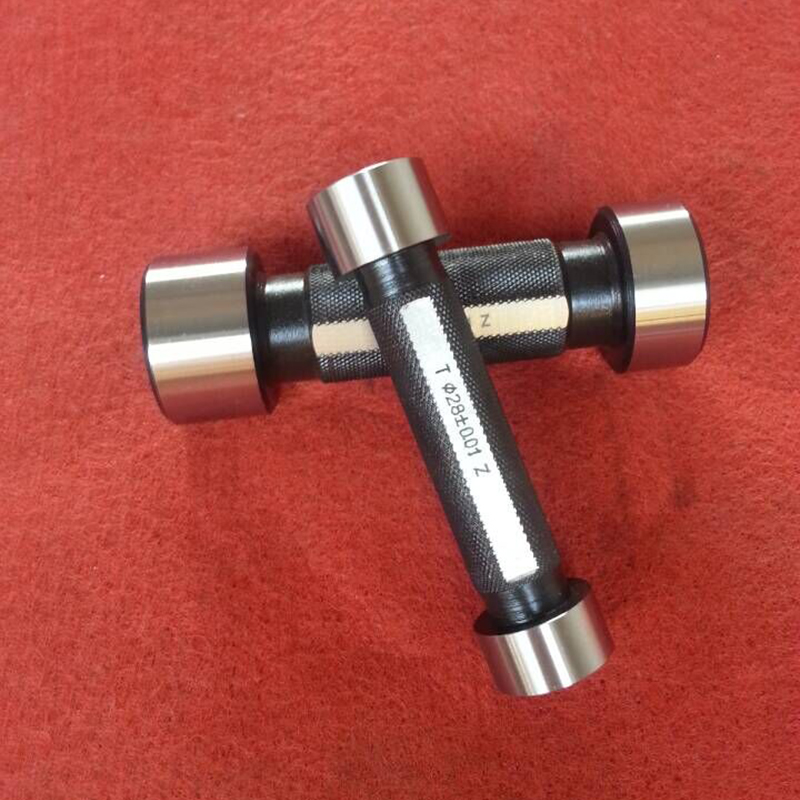
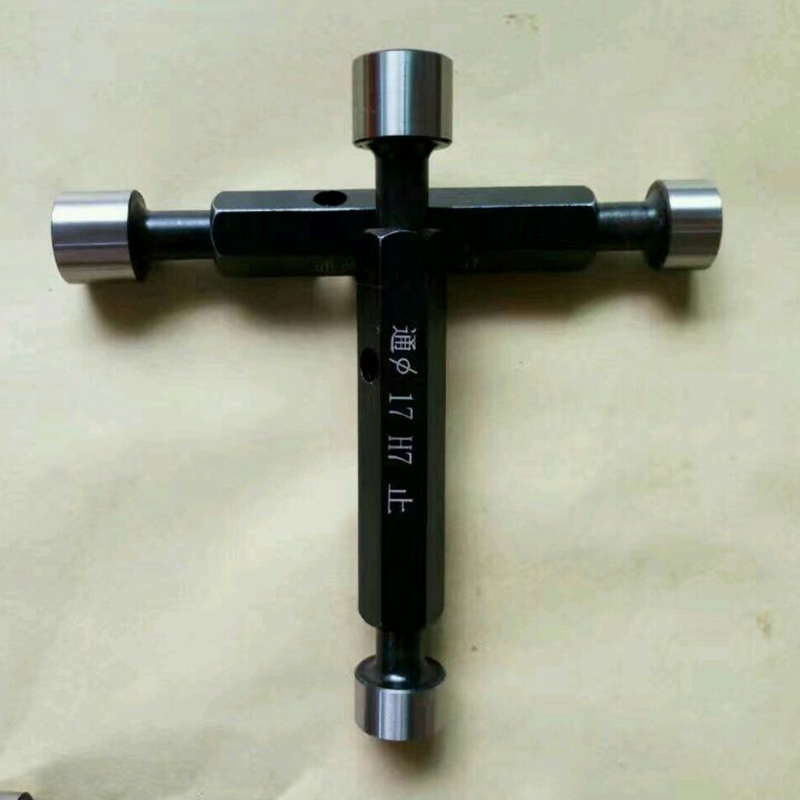
Understanding the Cylinder Gauge A Comprehensive Overview In the world of engineering and manufacturing, precision is paramount. One of the essential tools that help ensure this precision is the cylinder gauge, a device specifically designed to measure the dimensions and characteristics of cylindrical objects. This article delves into the fundamental aspects of cylinder gauges, including their types, applications, and significance in various industries. What is a Cylinder Gauge? A cylinder gauge, often referred to as a cylinder measuring tool, is an instrument used for measuring the internal or external diameters of cylindrical objects. These gauges come in various forms, including mechanical and digital variants, each serving a specific purpose based on the required precision and the environment in which they're used. Types of Cylinder Gauges 1. Mechanical Cylinder Gauges These are the traditional gauges, often made from steel and equipped with dial indicators or scales. They are durable and do not require batteries or electricity, making them ideal for use in various settings, including workshops and outdoor environments. Mechanical cylinder gauges help in quick assessments but may require a keen eye for accuracy. 2. Digital Cylinder Gauges With advancements in technology, digital cylinder gauges have gained popularity. These gauges feature electronic readouts that provide precise measurements at the push of a button. They often incorporate data processing capabilities, allowing for the recording and analysis of measurements over time. This makes them highly valuable in research and quality control applications. 3. Specialized Cylinder Gauges Some industries require specific measurements that standard gauges cannot provide. In these cases, specialized cylinder gauges are designed. For instance, gauges that measure the alignment or roundness of cylindrical parts, or those specifically tuned to check the tolerances of high-precision components in aerospace applications. Applications of Cylinder Gauges Cylinder gauges are versatile instruments that find application across various industries, including alat ukur cylinder gauge - Manufacturing In manufacturing settings, ensuring the precise dimensions of components is crucial. Cylinder gauges help in quality control processes, ensuring that parts meet specified tolerances before moving to assembly. - Automotive Industry The automotive sector often employs cylinder gauges to measure engine components, ensuring the optimal fit and performance of parts. Accuracy in this sector translates to better engine performance and safety. - Aerospace Engineering Given the critical nature of aerospace components, cylinder gauges are indispensable. They ensure that every cylindrical part meets stringent safety and performance regulations, which can ultimately save lives. - Construction In construction, cylinder gauges are often used to measure the diameter of pipes and fittings. This ensures that all components fit together seamlessly in complex systems. Importance of Cylinder Gauges The significance of cylinder gauges cannot be overstated. Their role in ensuring precision contributes directly to the reliability and safety of the final products. In complex systems like aircraft or automobiles, even the smallest measurement inaccuracies can lead to significant issues. Moreover, cylinder gauges enhance productivity. By providing quick and accurate measurements, they reduce the time spent on inspections and corrections. This efficiency is vital in fast-paced industrial environments where time is money. Conclusion In summary, cylinder gauges are critical tools in many industries that rely on precision measurement of cylindrical components. Whether mechanical or digital, these instruments play a pivotal role in quality control, ensuring that products meet the necessary specifications for safety and functionality. As technology continues to advance, the capabilities of cylinder gauges will likely expand, leading to even greater accuracy and efficiency in measurements. Understanding and utilizing these tools effectively can significantly impact the success of projects in engineering, manufacturing, and beyond.
about
what is laminated glass made of
Understanding the Three Types of Control Valves Control valves are integral components in various industrial processes, regulating the flow of fluids in a system. Their primary function is to maintain the desired flow rate, pressure, or liquid level, and they can be classified into three major types globe valves, ball valves, and butterfly valves. Each has its distinct features, advantages, and applications, allowing them to cater to diverse operational requirements. 1. Globe Valves Globe valves are widely used for regulating flow in piping systems. Characterized by a spherical body shape, these valves contain an internal baffle that divides the flow chamber into two halves, thereby controlling the fluid flow passage. When the valve is turned, the baffle moves either upward to allow greater flow or downward to restrict it. Advantages One of the key benefits of globe valves is their exceptional throttling capabilities. They provide precise control over the flow rate, making them ideal for applications requiring fine adjustments. Moreover, their design helps to minimize turbulence in the flow, which is advantageous in maintaining a consistent operation. Applications Globe valves are typically used in situations where flow regulation is critical, such as in domestic water systems, chemical processing, and heat exchangers. Their ability to maintain the required pressure gives them an edge in critical control applications. 2. Ball Valves Ball valves utilize a spherical disc, known as the 'ball,' to control the flow. When the valve handle is rotated, the ball aligns with the flow path to either allow or block the passage. This simple yet effective design provides a tight seal and ensures a high flow rate with minimal resistance. three types of control valves Advantages The primary advantage of ball valves is their ability to provide a quick shut-off. They can transition from open to closed positions with just a quarter turn, making them suitable for on/off applications. Furthermore, they tend to maintain a straightforward and compact design, which saves space in piping layouts. Applications Ball valves are commonly found in a variety of systems, including water supply lines, natural gas processing, and oil pipelines. Their robust build and reliability make them a favorite in industries where quick responsiveness is paramount. 3. Butterfly Valves Butterfly valves feature a circular disc that rotates within the valve body to control the fluid flow. The disc is positioned in the center of the pipe, and when opened, it allows fluid to flow through the valve, while closing the disc restricts the flow. The operation of butterfly valves is characterized by their efficient flow control and lower pressure drop. Advantages Butterfly valves are prized for their lightweight and compact design, enabling easy installation and minimal space requirements. They also provide a relatively simple operation compared to other valve types. Additionally, they can handle larger volumes of flow efficiently and can be used in both fully open and partially open positions to regulate flow. Applications These valves are extensively used in HVAC systems, water distribution, and wastewater treatment plants. Their ability to manage large quantities of fluids while maintaining a low-pressure drop makes them particularly suitable for large-scale operations. Conclusion Understanding the three types of control valves—globe, ball, and butterfly—is essential for selecting the appropriate valve for specific applications. Each type has its own set of advantages that cater to varying industrial needs, from precise flow regulation to quick shut-off capabilities and efficient high-volume flow management. By recognizing the distinctive features and ideal use cases of these control valves, engineers and operators can make informed decisions that enhance system performance and reliability. In a world increasingly dependent on effective fluid control, leveraging the right valve technology is a critical step towards achieving operational excellence.
-

High quality industrial productsagement

High quality industrial products
View Details -

Meet the diverse needs of customers

Meet the diverse needs of customers
View Details -

Strict quality control

Strict quality control
View Details -

Top raw materials

Top raw materials
View Details -

Trusted supplier

Trusted supplier
View Details
Our application
news and information
water valve repair
Water Valve Repair A Comprehensive Guide Water valves play a crucial role in the plumbing systems of
Using Brackets to Assemble Wooden Structures and Enhance Your DIY Projects Effectively
Embracing Nature The Art of Joining Wood with Brackets In the world of woodworking, there is a disti
what is water valve
Understanding Water Valves Essential Components for Fluid Control Water valves are crucial devices i
 English